policy
HBF urges government to make construction a priority sector in response to Milburn youth jobs report
The Home Builders Federation has welcomed Alan Milburn's proposals on training and apprenticeships but says they will only create jobs if housebuilders are given the confidence to increase output and recruit.
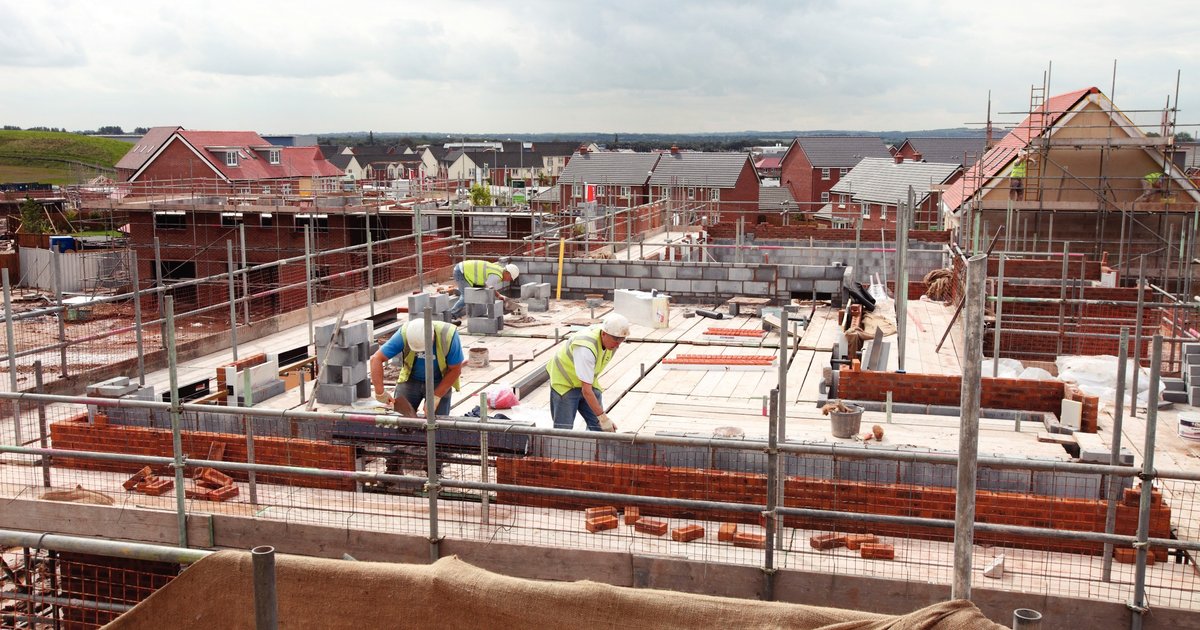
The Home Builders Federation (HBF) has called on the government to treat construction as a priority sector alongside hospitality and retail in its response to Alan Milburn's report on young people who are not in education, employment or training.
The report, From a Welfare State to a Working State: a new settlement for the next generation, was published by the Department for Work and Pensions (DWP) on 17 November 2026. It is the final report of an independent review commissioned by the Work and Pensions Secretary, following an interim report in May 2026.
HBF said it welcomed the report's proposals to expand technical and vocational training and apprenticeships, and to provide support through work experience and employment opportunities. It also read the report as proposing a phased reduction in employer National Insurance contributions for younger workers, which it said was welcome but did not go far enough.
Andy George, director of industry attraction and skills at HBF, said: "We welcome the focus of the Milburn report on creating more opportunities for young people through vocational training, apprenticeships and employment."
HBF's conditions
The trade body said the measures would only translate into jobs if businesses had the demand and confidence to recruit and invest in new entrants. While the industry had the capacity to deliver current build levels, it said, it faced significant barriers to increasing housing delivery.
HBF said new taxes, levies and inflation were adding an average of £76,000 to the cost of building a new home, and that planning delays, viability challenges and increasing regulatory requirements were constraining delivery. The £76,000 figure comes from HBF's Viability Crunch report, published on 6 May 2026, which said the additional costs equal 20% of the average new home value of £365,000, and that inflation on relevant building materials had exceeded 40% since 2020.
Delivering the government's housing ambitions would require tens of thousands of additional workers, HBF said, and the industry needed better support to build the homes that would generate that demand. It asked the government to remove barriers to housing delivery and create a more supportive policy environment.
On the government's Jobs Guarantee, HBF said the scheme could provide a valuable starting point but must lead to longer-term opportunities beyond the initial six months. It also said any route into work must include meaningful work experience and clear pathways into sustained employment, with employers, particularly SMEs, supported to mentor new recruits.
George said: "Ultimately, building more homes will create more jobs, apprenticeships and opportunities for young people. Addressing the barriers to housing delivery must therefore be central to the Government's approach to tackling youth unemployment."
What the government has committed to
In its response to the report, the government said the number of young people not in employment, education or training was now close to a million. It committed to a new Opportunity and Support Guarantee for young people, and said new locally led youth services would bring together employment, health, skills and wider youth support in one place from next year.
Under the Jobs Guarantee, eligible 18 to 24-year-olds claiming Universal Credit are guaranteed a fully funded, six-month job matched to their skills, according to the DWP.
Pat McFadden, Secretary of State for Work and Pensions, said in the government's release that too many young people had been written off for too long. In his statement on the review he thanked businesses in the retail, hospitality and tourism sectors for announcements to hire young people who are NEET, and quoted Milburn's finding that the NEET rate had hardly been below 10% in 25 years.
The industry's skills work
HBF said the industry was already acting through its Home Building Sector Skills Plan, including Partner a College and what its response calls the Brick Teams Model. HBF's own explainer of the plan describes a Brickwork Team model being piloted by Site Ready Solutions, which it says seeks to increase the number of new entrants on site without undermining productivity or commercial viability. Partner a College connects home builders, suppliers and subcontractors with further education colleges, HBF said.
The Sector Skills Plan was first launched in 2023, and HBF has since published an updated version, which it describes as an industry-led roadmap for attracting, retaining and training the workforce. At that launch HBF said industry estimated 239,000 new recruits would be needed within five years to meet housing targets. Its explainer page says building an additional 10,000 homes a year would require around 30,000 additional workers across direct and indirect roles, and that 25% of the home building workforce is aged over 50.
HBF also pointed to its Build Your Future event, which was attended by 300 Year 8 and Year 9 students from across Liverpool City Region. The event was delivered by All About Futures in partnership with the Liverpool City Region Careers Hub, HBF, NHBC and industry partners, and was supported by Liverpool City Region Mayor Steve Rotheram.
HBF said further government support and reform of the skills landscape were needed to align training with industry needs and give employers a greater role in developing the future workforce.
The government said it would set out next steps on welfare reform in the coming weeks, with the Timms Review reporting soon and a White Paper to follow in the new year.
On the record: Home Builders Federation, Department for Work and Pensions, NHBC
Sources
- Home Builders Federation (opens in a new tab) (accessed 2026-11-18)
- Department for Work and Pensions (GOV.UK) (opens in a new tab) (accessed 2026-11-18)
- Department for Work and Pensions (GOV.UK) (opens in a new tab) (accessed 2026-11-18)
- Department for Work and Pensions (GOV.UK) (opens in a new tab) (accessed 2026-11-18)
- Home Builders Federation (opens in a new tab) (accessed 2026-11-18)
- Home Builders Federation (opens in a new tab) (accessed 2026-11-18)
- Home Builders Federation (opens in a new tab) (accessed 2026-11-18)
- Home Builders Federation (opens in a new tab) (accessed 2026-11-18)
This story was researched from the primary sources above and checked against them before publication. Spotted an error? Tell us and we will correct it promptly.