policy
MHCLG publishes sanctuary schemes toolkit for councils in England
The guidance follows a national evaluation that found wide variation in how councils design and deliver schemes that let domestic abuse victims stay safely in their own homes.
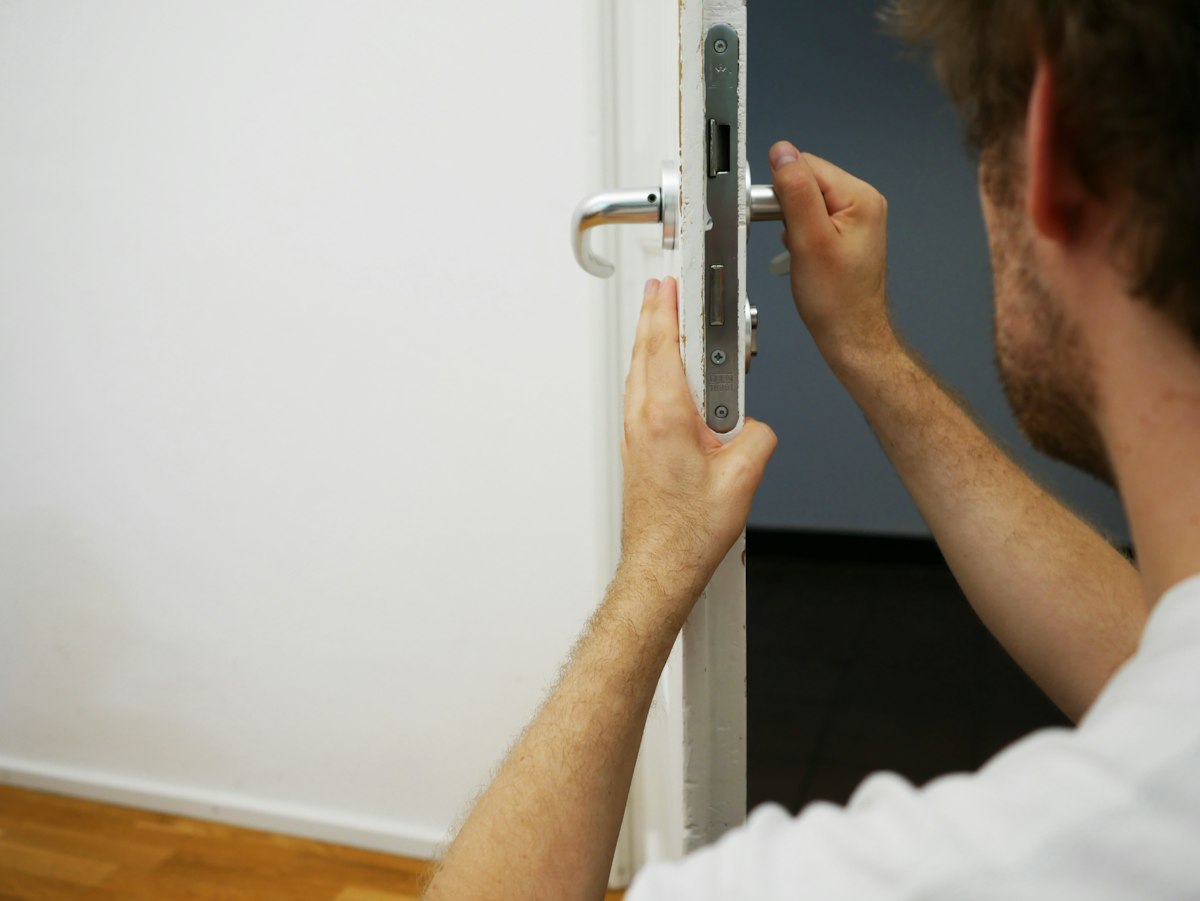
The Ministry of Housing, Communities and Local Government has published a toolkit for councils in England on sanctuary schemes, which let households at risk of domestic abuse stay safely in their own homes.
MHCLG published the guidance on 13 November 2026. It describes a sanctuary scheme as a multi-agency initiative that brings together support, safety planning and enhanced security measures so that households fleeing or at risk of domestic abuse can remain in their property.
The department said the schemes reduce the risk of repeat victimisation and prevent homelessness, allowing victims and their families to stay in their local communities and near their support networks.
What the toolkit says
MHCLG said the guidance draws on the findings of a national evaluation of sanctuary schemes, which identified significant variation in how schemes are designed and delivered. The department said the toolkit is not intended as a fixed, one-size-fits-all model.
The toolkit states that target hardening, or installing security equipment on its own, does not constitute a sanctuary scheme. Security measures must be combined with specialist support and safety planning.
It says schemes should be treated as a proactive early intervention rather than introduced as a last resort. It also says sanctuary schemes form part of the wider response to domestic abuse and are not appropriate in every case, for example where the perpetrator keeps legal rights to occupy or access the property.
The guidance is aimed at all parties involved in delivering schemes, not only local authorities. According to MHCLG, provision of sanctuary schemes is referenced in paragraph A3.4 of the statutory guidance under Part 4 of the Domestic Abuse Act 2021.
The evaluation
MHCLG published its sanctuary schemes process evaluation on 9 July 2026. The department commissioned the work, which was delivered by the Evaluation Services Unit using in-depth case studies in eight local authorities alongside a national survey of councils.
The evaluation found that, where well coordinated, schemes combining security and support can improve safety and stability. It said fragmented delivery, inconsistent access and structural constraints can limit their effectiveness.
Scale of the schemes
Official statistics published by MHCLG on 16 October 2025 show the scale of sanctuary provision within domestic abuse safe accommodation in England.
Between April 2024 and March 2025, 76,850 individuals were supported in safe accommodation. Sanctuary accommodation was the largest category, accounting for 35% of those individuals.
Sanctuary schemes accounted for 16,590 bedspaces, or 69% of all safe accommodation bedspaces in 2024-25. Total safe accommodation bedspaces across England reached 24,120, an increase of 7,460 or 45% on 2023-24.
The statistics show sanctuary accommodation units grew by 6,950, or 72%, compared with the previous year. The release notes that some councils said earlier figures had been underreported, so part of the rise may reflect improved reporting rather than new provision.
For 80% of households that stopped receiving support in sanctuary schemes in 2024-25, the reason recorded was that support was no longer needed.
Wider programme
The toolkit is the fourth in MHCLG's National Plan to End Homelessness toolkit library, a collection the department created on 20 May 2026 to support the design and delivery of homelessness and rough sleeping services. The library was updated on 13 November 2026 and also includes a self-assessment toolkit on preventing youth homelessness, published on 5 November 2026.
The National Plan to End Homelessness commits £3.5bn to homelessness and rough sleeping services over three years. According to the plan, £2.8bn was spent on temporary accommodation in England last year.
On the record: Ministry of Housing, Communities and Local Government
Sources
- Ministry of Housing, Communities and Local Government (GOV.UK) (opens in a new tab) (accessed 2026-11-14)
- Ministry of Housing, Communities and Local Government (GOV.UK) (opens in a new tab) (accessed 2026-11-14)
- Ministry of Housing, Communities and Local Government (GOV.UK) (opens in a new tab) (accessed 2026-11-14)
- Ministry of Housing, Communities and Local Government (GOV.UK) (opens in a new tab) (accessed 2026-11-14)
- Ministry of Housing, Communities and Local Government (GOV.UK) (opens in a new tab) (accessed 2026-11-14)
- Ministry of Housing, Communities and Local Government (GOV.UK) (opens in a new tab) (accessed 2026-11-14)
This story was researched from the primary sources above and checked against them before publication. Spotted an error? Tell us and we will correct it promptly.