policy
G15 backs Green Book reform, rough sleeping funding and higher London shared ownership cap
The group of London's largest housing associations has welcomed three government announcements made in the run-up to the Autumn Budget, including a rise in the London shared ownership income cap to £110,000.
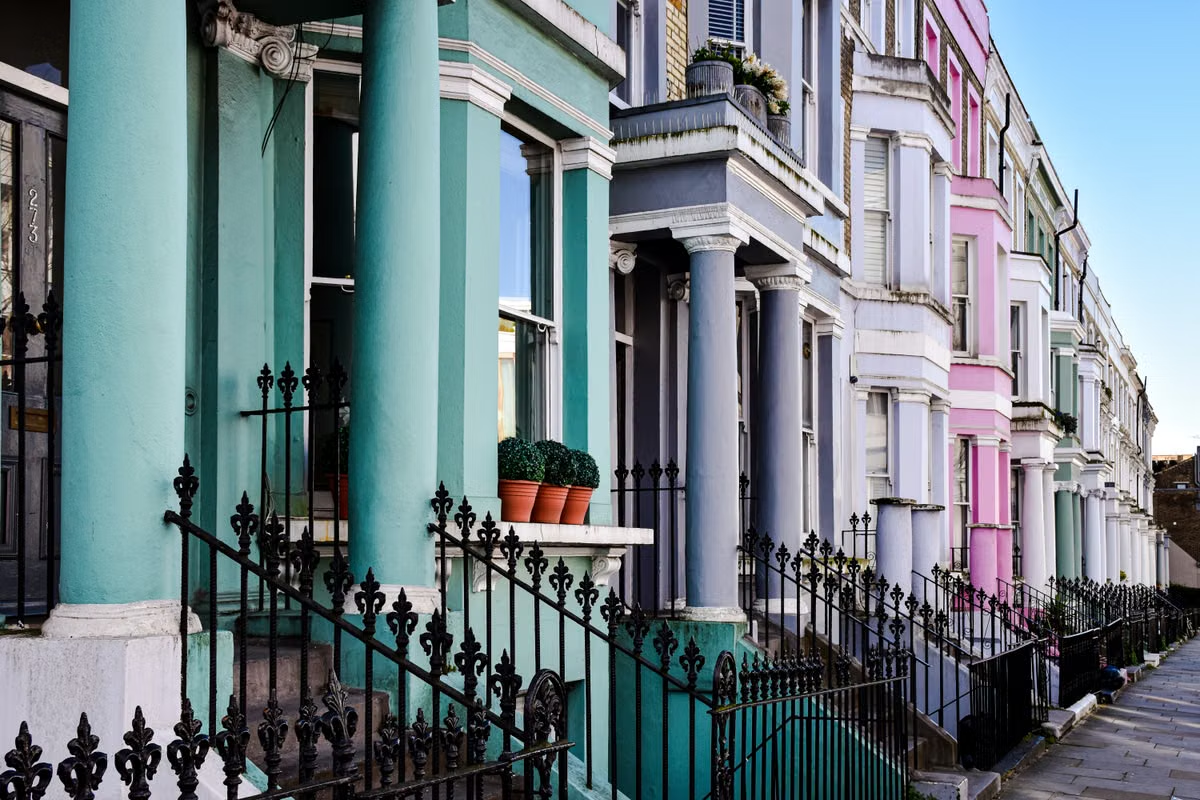
The G15 group of London housing associations has welcomed three government announcements made in the days before the Autumn Budget, covering investment appraisal rules, rough sleeping funding and the shared ownership income cap in London.
The G15 said the measures include changes to government investment rules, further funding to tackle rough sleeping, and a rise in the shared ownership household income cap in London to £110,000 in early 2027. It cited a ministerial statement of 26 October 2026 for the shared ownership change and said the Budget takes place on 28 October 2026.
Ian McDermott CBE, Chief Executive of Peabody and Chair of the G15, said the higher London threshold was a change the group had argued for over a long period.
"It's a change we've long called for and will open home ownership up to more middle-income households, including key workers who are increasingly priced out of the capital," he said.
He added that the change should stimulate demand, improve the viability of developments and support delivery of more affordable homes across the country.
Shared ownership threshold
Under the current eligibility rules published on GOV.UK, shared ownership is open to households with an income of £80,000 a year or less, or £90,000 a year or less in London. The G15 said the London cap would rise to £110,000 in early 2027.
The G15 said its members own or manage more than 880,000 homes across the country. It said they have funded and delivered more than 32,000 new social and affordable homes in London in recent years, with a further 10,000 homes in the pipeline for 2025-26.
Green Book changes
On 22 October 2026 the Prime Minister set out plans to deliver a package of Green Book reforms at the Budget, according to HM Treasury and the Prime Minister's Office. The Green Book is the Treasury's guidance on appraising the costs, benefits and risks of spending proposals.
The government said the changes are intended to help previously overlooked places make the case for investment. Under the current rules, it said, projects on different issues, such as a housing scheme and a transport proposal, are assessed independently of each other.
The government said the reforms build on changes announced by Chancellor John Healey the previous month, including a cut in the headline discount rate from 3.5% to 3%. It said No10 North would help local areas, including those without mayors, engage with the new process and draft business cases.
Healey said the change gives regional leaders a stronger voice in where investment can make the biggest difference in their communities.
McDermott said the G15 had consistently argued that housing is essential economic infrastructure and welcomed investment rules that explicitly recognise its wider benefits alongside other place-based funding.
Rough sleeping funding
On 25 October 2026 the Prime Minister announced a further £432m for rough sleeping support, according to the Prime Minister's Office. The government said the new money extends support beyond March 2027 to the end of this Parliament, taking total investment behind the commitment to £874m. The programme was initially backed by £442m.
The government said everyone sleeping rough would be offered a route off the street or wider support before Christmas. The Prime Minister hosted the first Rough Sleeping Summit at Downing Street with businesses, charities, housing providers and local leaders.
The National Housing Federation (NHF) pledged to work with housing associations to identify at least 2,000 potential homes and bedspaces, including empty properties that could be brought back into use, the government said. Outreach teams and new bedspaces are operating in Coventry, with further provision being rolled out in places including Plymouth and Camden over the coming weeks.
What the sector is watching
The NHF said on 9 October 2026 that around 41,000 additional social homes outside London, including 25,000 for social rent, could be built had bids to the Social and Affordable Homes Programme been fully funded.
Kate Henderson, Chief Executive of the National Housing Federation, said: "There are thousands of social homes sitting in council and housing association development pipelines" that could be built if grant funding were made available.
The G15 said it looks forward to working with government, the Mayor of London, councils and its partners to turn the measures into more homes. According to the G15, the Autumn Budget takes place on 28 October 2026.
Sources
- G15 (opens in a new tab) (accessed 2026-10-27)
- HM Treasury and Prime Minister's Office, 10 Downing Street (GOV.UK) (opens in a new tab) (accessed 2026-10-27)
- Prime Minister's Office, 10 Downing Street (GOV.UK) (opens in a new tab) (accessed 2026-10-27)
- GOV.UK (opens in a new tab) (accessed 2026-10-27)
- G15 (opens in a new tab) (accessed 2026-10-27)
- National Housing Federation (opens in a new tab) (accessed 2026-10-27)
- HM Treasury (GOV.UK) (opens in a new tab) (accessed 2026-10-27)
This story was researched from the primary sources above and checked against them before publication. Spotted an error? Tell us and we will correct it promptly.